AGP Executive Report
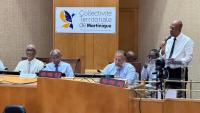
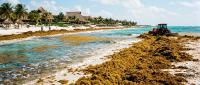
Last update: 10 hours agoClimate Risk Watch: CariCOF warns El Niño is strengthening alongside warmer Caribbean Sea temperatures, raising the odds of heatwaves, slower-to-recover drought in parts of the Lesser Antilles, and flooding risk from heavy rain during the 2026 wet season. Sargassum Response: OECS delegates are turning lessons from Martinique and Guadeloupe into a more coordinated sargassum management push across Eastern Caribbean states, with support from the EU RIGHT Programme and SARSEA, aiming to cut impacts and explore turning seaweed into economic value. Regional Security (Martinique-hosted): At the Antilles Regional Security Conference in Martinique, PM Roosevelt Skerrit urged a broader, integrated view of security—linking maritime protection, cybersecurity, food and energy security, and disaster resilience. CARICOM Integration: Martinique officially joined CARICOM as an associate member, and Martinique and Barbados signed a cooperation agreement covering risk management, health, tourism, fisheries, and trade—explicitly tied to climate resilience and youth opportunities. Health & Environment Pressure: FAO-linked reporting highlights pesticide use intensity concerns in the region, including Saint Lucia’s high ranking, with studies pointing to potential public health and environmental harm. Community Development: Canada’s CFLI funding backs Grenada projects on safer communities and “green livelihoods” for youth and women. Cruise Tourism (low environment detail): Seabourn’s 2028 “Ruby Collection” spotlights new Caribbean itineraries, including calls at Bequia and Martinique, but the coverage is mainly travel-focused rather than conservation-focused.
Note: AI summary from news headlines; neutral sources weighted more to help reduce bias in the result. Feedback is welcome. Please let us know if you have any comments or suggestions about the AGP Executive Report.